
YOUR BRAND IS HAVING AN IDENTITY CRISIS: THE MISSING PIECE YOU DIDN’T KNOW YOU NEEDED
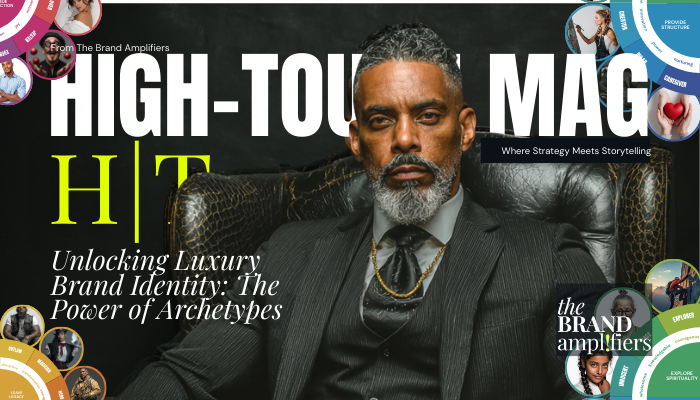
Why do some luxury brands inspire fanatical loyalty while others fade into the noise? The secret often lies in the story they tell—or more precisely, the character they embody. Think of Chanel’s allure making customers feel desired (the Lover archetype) or Rolex’s commanding presence making owners feel in control (the Ruler). These brands don’t just sell products; they personify identities that consumers subconsciously recognize and adore. In one analysis, Dior’s marketing content consistently projected Ruler and Explorer archetypes (themes of authority and adventure), and customers mirrored those same themes in their own posts about the brand This alignment was no accident – it was the result of a deliberate archetype-driven strategy.
For high-end companies, not having a defined brand archetype can lead to muddled messaging, weak emotional resonance, and a diluted identity. Luxury consumers buy more than a product; they buy a feeling and a story. If your brand is lacking direction, a clear identity, or a human connection with your audience, it’s likely not appealing to any core human desire. On the flip side, a strong archetypal identity acts as a North Star for your marketing. It ensures every touchpoint – from your visuals and tone of voice to your customer experience – consistently speaks to the deep desires of your ideal clients. The result? A brand that feels alive and relatable to customers, forging loyalty that transcends the transactional.
In this comprehensive guide, we’ll explore the 12 core brand archetypes (like the Ruler, Creator, Magician, etc.), how they trace back to Carl Jung’s psychological theories, and—most importantly—how you can apply them in the luxury market for tangible outcomes. You’ll learn how archetypes help craft a compelling brand persona, differentiate your business, and address key challenges luxury marketers face by not leveraging these timeless characters.
What Are Brand Archetypes (And Why They Matter in Luxury)
Brand archetypes are universal character models or personas that capture a brand’s personality, values, and mission in a way that feels instantly familiar to people. The concept originates from the work of Swiss psychiatrist Carl Jung, who proposed that humanity shares a “collective unconscious” filled with archetypal figures (the Hero, the Sage, the Lover, etc.) recognized across cultures. We intuitively understand these character types because, as Jung suggested, we’re born with an instinctive knowledge of them. In storytelling and myth, archetypal characters evoke strong emotions and are deeply memorable – and the same is true for brands.
Marketer Margaret Mark and psychologist Carol S. Pearson brought Jung’s archetypes into branding with their seminal book “The Hero and the Outlaw” (2001). They showed that brands which embody an archetype give consumers something human-like to relate to. As Mark and Pearson put it, “Archetypes are the heartbeat of a brand because they convey a meaning that makes customers relate to a product as if it actually were alive… they have a relationship with it and care about it.” In other words, an archetype transforms a brand from just a company into a character that people can emotionally connect with on a deeper level.
This emotional connection is especially critical in the luxury market. High-end products often carry premium prices that must be justified by intangible values like prestige, heritage, or exclusivity. By tapping into archetypes, luxury brands appeal to subconscious desires and ideals that transcend the product’s features. Research shows that up to 95% of purchase decisions are made subconsciously – so if your branding speaks to a client’s inner aspirations or fears, you gain a massive advantage. Archetypes provide a psychologically proven “shortcut” to evoke these feelings. They help your brand mean something to customers beyond the product itself, which in turn fosters loyalty and even love.
Equally important, archetypes aid in differentiation. In a crowded luxury landscape, competing on product features or price is often a race to the bottom (and luxury buyers aren’t primarily shopping on price anyway). A distinctive personality sets you apart. Unlike specific product benefits that competitors can copy, a well-crafted brand persona rooted in an archetype is inherently unique and hard to duplicate. There are infinite ways to express a given archetype, ensuring your brand remains memorable and one-of-a-kind. In short, using an archetype gives your luxury brand focus and soul – two qualities that drive desirability. It’s “like a hack into the mind of your audience,” as one branding expert put it, allowing you to resonate with the exact customers you want while filtering out those who don’t align.
Take our free Brand Archetype Quiz to discover which archetype best represents your business and receive insights that can help align your messaging, marketing, and positioning.
The 12 Core Archetypes (and How Luxury Brands Embody Them)

The classic 12 brand archetypes are often visualized as a wheel of personas, each tied to fundamental human motivations. From providing structure and control to pursuing connection or exploring new horizons, these archetypes represent characters every culture knows. Luxury brands can harness any of these personas to tell a powerful story that consumers instinctively understand.
Brand strategists commonly reference 12 archetypes identified in Jungian theory and popularized by Mark and Pearson’s work. Each archetype is associated with a core desire, unique traits, and a way of engaging the world. Below is a breakdown of all twelve, along with their defining qualities and examples of how they might apply in a luxury branding context. As you read through them, consider which of these characters (if any) your brand currently resembles – or which should represent your brand to best connect with your audience.
1. The Ruler
Core Desire: Control, stability, and leadership.
Persona at a Glance: The Ruler archetype exudes authority, confidence, and the power to create order out of chaos. Ruler brands present themselves as the standard-setters or kings of their category – they dominate their domain and offer the promise of prestige and prosperity to their customers. Communication from a Ruler brand is often formal, refined, and commanding. They convey exclusivity and expect loyalty.
Luxury Applications: The Ruler archetype is common among luxury brands, especially in high-end products or services where status is a selling point. Clients of Ruler brands want to feel important and part of an elite circle. For example, Rolex and Rolls-Royce are classic Ruler brands – each product is a statement of success and supremacy. When you wear a Rolex or drive a Rolls, you “feel on top of the world,” which is exactly the emotional payoff the Ruler archetype delivers. In fashion, a couture house that emphasizes its heritage, impeccable quality, and influence (think of Dior’s emphasis on being a global authority in elegance) is tapping into the Ruler persona. To successfully use the Ruler, ensure your brand experience makes customers feel privileged and in control. From VIP services to a tone of voice that exudes confidence, every aspect should reaffirm their status. The outcome is a brand that commands respect – and a customer who is fiercely proud to be associated with it.
2. The Creator
Core Desire: Innovation and self-expression.
Persona at a Glance: The Creator archetype champions imagination, design, and originality. Creator brands are visionaries; they aren’t satisfied with the status quo and are driven to build something new and enduring. The messaging often revolves around creativity, artistic expression, and the joy of creation. These brands invite customers to indulge their own creativity or appreciation for artistry.
Luxury Applications: Many luxury companies naturally align with the Creator archetype, given the emphasis on craftsmanship and innovation in high-end products. Haute couture fashion houses, bespoke watchmakers, and luxury design firms often embody the Creator. For instance, a boutique luxury car manufacturer known for hand-crafted interiors and custom designs would be a Creator brand – each car is treated as a work of art, and owners are connoisseurs of that artistry. Creator brands in luxury emphasize their creative process: the master artisans behind the scenes, the originality of each collection, the tradition of creation passed down through generations. By adopting the Creator archetype, a brand signals that it delivers uniquely imaginative experiences rather than mass-produced goods. This appeals to customers who value innovation, individuality, and aesthetics enough to pay a premium for them. The outcome is a brand that is seen as an artist or craftsman in its field, attracting clients who share that appreciation for the creative journey.
3. The Magician
Core Desire: Power (in the sense of making dreams come true or transforming reality).
Persona at a Glance: The Magician archetype is all about transformation and wonder. Magician brands promise to take you on a journey and deliver experiences that feel almost mystical or life-changing. They are charismatic and visionary, often seen as knowledgeable guides or innovators that can bring about extraordinary results. The tone can be inspiring, secretive, or spiritual – always focusing on turning the ordinary into the extraordinary.
Luxury Applications: In the luxury sector, Magician archetypes thrive wherever there is a transformational experience to be had. High-end wellness resorts, luxury spas, or bespoke travel agencies often use Magician branding – for example, a five-star retreat that promises to rejuvenate you beyond recognition or an elite travel concierge that crafts “once-in-a-lifetime” journeys. These brands sell experiences and outcomes more than products, much like Disney (a classic Magician brand) sells the promise of magical moments. A luxury cosmetics line that suggests it can work wonders for your appearance (think “miracle” creams or fragrances that transport you to another era) is tapping the Magician persona as well. The key for Magician brands is to inspire a sense of awe and possibility. Customers should feel that by choosing the brand, they’re accessing hidden knowledge or special powers that lead to transformative results. When done well, the Magician archetype yields a devoted following who see the brand as nothing short of enchanting.
4. The Hero
Core Desire: Mastery and making a difference through courage.
Persona at a Glance: The Hero archetype strives to prove its worth and earn victory. Hero brands are about rising to challenges, being the best, and inspiring others. Their personality is confident, bold, and focused on achievement. They often speak in metaphors of battle, sports, or adventure – encouraging customers to push boundaries and be victorious. A Hero brand’s messaging is energetic and determined, often highlighting how it overcomes obstacles or delivers superior performance.
Luxury Applications: While the Hero archetype is commonly seen in sports and automotive brands (e.g. Nike’s “Just Do It” or luxury sports cars emphasizing performance), it can also apply to luxury in contexts where excellence and challenge are key. For example, a high-end adventure gear company or a luxury expedition travel service could adopt the Hero persona to attract affluent thrill-seekers who see themselves as bold explorers. Even some luxury fashion lines channel the Hero in their storytelling – consider a brand that centers its marketing on empowering the wearer to “conquer the day” or on the heroic craftsmanship behind a product. A timepiece that highlights its use in extreme expeditions (thus proving its toughness and reliability) is subtly invoking the Hero archetype. To implement the Hero, a luxury brand should use inspiring, motivational messaging and perhaps partner with high-achieving ambassadors or icons as proof points. The outcome is a brand that customers credit with elevating them – helping them feel courageous, capable, and part of something legendary.
5. The Lover
Core Desire: Intimacy and experience (to be desired and to indulge in sensory pleasure).
Persona at a Glance: The Lover archetype is passionate, sensual, and devoted to beauty. Lover brands celebrate intimacy, romance, and the enjoyment of the good things in life. Their tone is often warm, inviting, and even a touch sentimental or poetic. Everything is about forging deep emotional connections and making the customer feel special or adored. Common themes are love, pleasure, and personal allure.
Luxury Applications: The Lover is highly prevalent in luxury, especially in industries like haute couture, jewelry, fragrance, hospitality, and gourmet experiences. These brands entice customers by making every interaction feel opulent and personalized – it’s the “VIP treatment” archetype. For example, Chanel is an iconic Lover archetype brand; its marketing evokes desire, elegance, and the promise that you’ll feel irresistibly attractive wearing Chanel. Another example is Tiffany & Co., which has long positioned its jewelry in the context of romance and milestone love moments (what’s more intimate than an engagement ring?). Lover archetype brands use rich imagery and language that appeal to the senses – think velvet textures, lush colors, words like “devotion,” “seduction,” or “forever.” The goal is to make the customer feel emotionally elevated and valued through the product experience. When a luxury brand successfully plays the Lover, customers respond with intense brand loyalty, because choosing that brand becomes an expression of love and identity. They aren’t just buying a handbag or a hotel stay; they’re buying a feeling of being desired and indulged, which is a powerful draw.
6. The Jester
Core Desire: Enjoyment, lightheartedness, and living in the moment.
Persona at a Glance: The Jester archetype brings a sense of fun, humor, and mischief. Jester brands don’t take themselves too seriously – they use wit, creativity, and sometimes irreverence to put a smile on people’s faces. The communication style is upbeat, playful, and often breaks conventions or pokes fun at stuffy formality. A Jester brand wants to be seen as the life of the party or the clever friend who lifts the mood.
Luxury Applications: Traditionally, the Jester archetype is more common in mass-market or youth-oriented brands (e.g. candy brands, entertainment, or anything where fun is the main selling point). In the straight-faced world of luxury, the Jester is unusual – yet, when executed carefully, it can humanize a luxury brand and make it memorable. A high-end brand that targets a younger affluent demographic might infuse Jester elements to appear fresh and approachable. For instance, some boutique luxury fashion designers (such as those known for quirky, avant-garde designs or bold, whimsical runway shows) embody the Jester to stand out from conservative peers. A luxury hotel might adopt a playful sub-brand for its bars or events, using humor and surprise to charm guests. The key is to balance humor with brand prestige: playfulness should feel smart and deliberate, not cheap. When done right, a touch of the Jester can make your luxury brand feel boldly different and create a passionate following of customers who appreciate your brand’s joie de vivre. However, caution is warranted – a Jester brand must still deliver on luxury expectations even as it jokes around. Done well, it results in a brand experience that clients describe as fun and unforgettable, forging emotional ties through laughter and delight.
7. The Everyman (Regular Guy/Gal)
Core Desire: Belonging and authenticity.
Persona at a Glance: The Everyman archetype is approachable, humble, and relatable. Everyman brands strive to make everyone feel comfortable and accepted. They often emphasize values like honesty, friendliness, and down-to-earth quality. The tone of an Everyman brand is informal and sincere – no pretense, just “we’re one of you.” These brands want to be seen as solid, dependable, and fitting in with everyday life.
Luxury Applications: It might seem like Everyman and Luxury don’t mix – after all, luxury is about exclusivity, and Everyman is about inclusivity. Indeed, true Everyman archetypes (like IKEA or Levi’s in the mass market) focus on accessibility and could dilute a luxury brand’s prestige. However, some premium brands do utilize Everyman elements to appear more relatable and human to their audience. For example, a family-owned luxury winery might brand itself without snobbishness, highlighting simple joys of wine and togetherness rather than status. This would attract upscale consumers who value authenticity and comfort over showing off. Another scenario is a luxury brand that wants to broaden its appeal to a newer, younger affluent segment without alienating them with too much pomp – introducing casual product lines or messaging that “we’re luxury, but we’re also just like you enjoying life’s simple pleasures.” If using the Everyman in luxury, it’s crucial to maintain quality while fostering an inclusive community feeling (perhaps through storytelling about the people behind the brand or user-generated content featuring real customers). The outcome of a successful Everyman approach is a loyal community of customers who feel your brand “gets them” and is part of their everyday upscale lifestyle, without any intimidation or elitism. But beware: leaning too far into Everyman territory can undercut a high-end positioning, so this archetype must be balanced carefully in a luxury context.
8. The Caregiver
Core Desire: Service, altruism, and protecting others.
Persona at a Glance: The Caregiver archetype is compassionate, nurturing, and generous. Caregiver brands position themselves as protectors or helpers – think of them as the motherly or supportive figure who puts others first. Their messaging revolves around empathy, safety, and trust. A Caregiver brand voice is warm, reassuring, and patient, often urging us to take care of ourselves and each other.
Luxury Applications: Many pure Caregiver brands are in non-profit, healthcare, or education sectors (e.g. charities or hospitals) rather than luxury consumer goods. In the luxury market, the Caregiver archetype is less common as a core identity – few ultra-premium brands are built primarily on caretaking. However, it can be relevant for luxury services centered on well-being or comfort. Consider a five-star wellness retreat that emphasizes healing and self-care, or a luxury skincare line that markets itself around soothing and protecting your skin with gentle, high-quality ingredients. These brands could lean into the Caregiver persona to differentiate from more opulent or status-focused competitors. A luxury concierge or travel service might also use Caregiver messaging by highlighting how deeply they care for clients’ needs (anticipating every desire, ensuring a worry-free experience). Implementing the Caregiver in a luxury context means lavishing your customers with attention and support: personalized service, heartfelt communications, and a brand ethos of “we’re here to take care of you.” When genuine, this archetype builds trust and long-term loyalty, as clients feel your brand truly has their best interests at heart. The outcome is a brand reputation for exceptional service and empathy – a priceless quality in any market.
9. The Innocent
Core Desire: Safety, purity, and happiness.
Persona at a Glance: The Innocent archetype is optimistic, honest, and yearns for simplicity. Innocent brands emphasize integrity, wholesomeness, and a positive outlook. They often invoke nostalgia or a desire for a simpler, purer time. The tone is sincere, hopeful, and kind-hearted, avoiding anything too complex or dark. Messaging might revolve around trust, “good clean fun,” or the promise of feeling safe and guilt-free.
Luxury Applications: In luxury branding, the Innocent archetype appears in niches where purity or tradition is a key value proposition. For example, a luxury organic skincare or clean beauty brand could embody the Innocent – promising all-natural ingredients, ethical sourcing, and a toxin-free indulgence that lets customers feel virtuous about pampering themselves. A boutique hotel in a pristine natural setting might brand itself as an Innocent archetype, highlighting peace, nostalgia (maybe a return to simple pleasures like sunrise walks and homemade cooking), and security. Even heritage luxury brands sometimes tap the Innocent by stressing their long history of honest craftsmanship and moral values (e.g., a centuries-old family brand that has “never compromised on quality”).
Adopting the Innocent means your brand should avoid cynicism or anything that could be perceived as sneaky. Instead, focus on transparency, positivity, and trustworthiness in all communications. Visually, Innocent brands in luxury might use clean, light designs – think white, pastels, or minimalist elegance that suggests purity. The emotional outcome you aim for is that calming reassurance customers feel when they completely trust a brand. If they believe in your brand’s sincerity and safety, they’ll reward you with loyalty and heartfelt appreciation.
10. The Sage
Core Desire: Understanding and wisdom.
Persona at a Glance: The Sage archetype is knowledgeable, thoughtful, and truth-seeking. Sage brands are teachers or mentors – they prioritize information, insight, and enlightenment. The brand voice tends to be authoritative, clear, and sometimes academic or contemplative. Sages thrive on research, expertise, and helping their audience make smarter decisions by sharing wisdom. They value accuracy and depth, often using facts, statistics, or rich storytelling to convey their points.
Luxury Applications: The Sage archetype in luxury is apparent in brands that build their prestige on expertise or heritage knowledge. For instance, think of a prestigious luxury wine label known for its generations of viticultural wisdom, or a high-end audio equipment brand that markets itself through technical superiority and educating consumers on sound quality. Luxury consultancies or bespoke advisory services (like wealth management for HNWIs) also often use the Sage persona, emphasizing trust through competence and insight. Even some fashion and watch brands utilize Sage elements by highlighting their historical archives, in-house experts, or the scientific side of their craftsmanship. To employ the Sage archetype, a brand should actively share knowledge – for example, publishing high-quality guides, organizing educational VIP workshops, or training sales staff to be deeply informative rather than just salesy.
Everything from the website copy to brochures should reinforce that this brand is the authority in its field. For luxury customers, this translates to confidence: they feel that by choosing the brand, they are making the wise, informed choice (and perhaps even learn something in the process). The outcome of a Sage-based strategy is a reputation of credibility and refinement – customers trust your brand’s counsel and align with it because it reinforces their own intelligent self-image. Just be sure to keep the tone inspiring rather than condescending; the best Sage brands guide the consumer gently to new insights, elevating the brand experience into something intellectually satisfying.
11. The Outlaw (Rebel)
Core Desire: Liberation, revolution, and breaking the rules.
Persona at a Glance: The Outlaw archetype is disruptive, rebellious, and bold. Outlaw brands challenge the status quo and aren’t afraid to court controversy or take the road less traveled. Their voice is gritty, confident, and outspoken against whatever is “mainstream” in their context. They often rally their audience around a cause or against a common enemy (like dull convention, authority, or monotony). The mood is exciting, and sometimes a bit aggressive – Outlaw brands can be seen as the “bad boys” or counter-cultural heroes who encourage freedom and nonconformity.
Luxury Applications: At first glance, the Outlaw might not seem an obvious choice for luxury, which often relies on tradition and timelessness. However, certain luxury segments do successfully embrace the Rebel spirit. High-end streetwear and avant-garde fashion labels frequently use Outlaw branding to differentiate from established haute couture – for example, a luxury designer known for punk-inspired designs, defying fashion norms, and attracting celebrities who pride themselves on being edgy. Another example is luxury niche perfume brands that break olfactory conventions and marketing rules, appealing to avant-garde fragrance connoisseurs. Even a storied luxury brand can have an Outlaw streak: consider how Balmain in recent years cultivated an image of bold empowerment and rebellion, telling customers they join a “fashion movement” by wearing the brand.
Harley-Davidson (while not a traditional “luxury fashion” brand, its bikes are premium priced) is a classic Outlaw archetype – it sells the freedom of the open road and a rebellion against the ordinary. For a luxury brand to use the Outlaw archetype, it must authentically stand for some form of rule-breaking or liberation that upscale customers can embrace as part of their identity. The marketing might involve provocative campaigns, exclusive underground events, or aligning with cutting-edge art and music.
The payoff for customers is the thrill of being part of a subversive, elite club that answers to no one. When done right, Outlaw brands achieve cult-like followings (think of the nearly fanatical communities around certain disruptive luxury fashion houses or high-end tech innovators). The risk is higher with this archetype – it can alienate more traditional consumers – but the reward is a brand that devotees find irreplaceable because it represents their personal freedom.
12. The Explorer
Core Desire: Freedom to explore, discover, and experience new things.
Persona at a Glance: The Explorer archetype is adventurous, independent, and ambitious. Explorer brands encourage people to break free of their limits and seek out novel experiences. Their personality is daring and proactive, often associated with travel, discovery, and pushing boundaries. The tone is inspirational and bold, with imagery of wide-open spaces or challenging journeys. An Explorer brand says “don’t be constrained – there’s a whole world out there, go find it (with our help).”
Luxury Applications: The Explorer archetype is a natural fit for many high-end travel, automotive, and lifestyle brands.
For example, luxury SUV makers like Land Rover or Jeep (Jeep is more mass-market but has Explorer DNA) leverage the call of adventure – a Range Rover ad might show the vehicle cresting a remote dune or mountain, implying that owning it grants you the freedom to roam in style. Premium adventure travel companies (offering safaris, private yacht expeditions, etc.) explicitly market the life-changing explorations they facilitate. Even fashion brands can tap the Explorer: Louis Vuitton, known originally for luggage, often plays on travel and discovery themes (interestingly, a recent analysis noted Louis Vuitton’s dominant archetypes include Explorer and Sage, reflecting adventure and contemplation in its brand storytelling.
To execute the Explorer archetype, a luxury brand should associate itself with journeys – both outer and inner. Visually, this means lots of imagery of nature, travel, or motion; in messaging, it means using words like “journey,” “freedom,” “quest,” and inviting customers to be bold. The emotional outcome is that customers feel your brand will take them somewhere exciting (literally or metaphorically). They aren’t just buying a product; they’re fueling their personal journey of discovery. An Explorer brand that resonates will attract clientele who see themselves as adventurous spirits – and they’ll stay loyal because the brand continually inspires them to venture further.
Note: While we’ve described these archetypes individually, real brands sometimes blend elements of two or three. However, they usually have one primary archetype that defines them clearly. The key is consistency: whichever archetype you choose, lean into it authentically across all brand touchpoints for maximum impact.
Take our free Brand Archetype Quiz to discover which archetype best represents your business and receive insights that can help align your messaging, marketing, and positioning.
Why Your Luxury Brand Needs a Clear Archetype
Defining a brand archetype isn’t just a marketing exercise – it’s a strategic imperative, particularly in luxury markets where brand equity is built on emotion and identity. Not having a clear archetype can hurt your brand in several ways:
Inconsistent Identity: Without a guiding archetype, different campaigns or departments might project different personas. One month your tone is playful, the next month it’s formal; this confuses high-end consumers. A muddled identity is hard to remember and trust. In contrast, brands with a focused archetype present a united front. They own a distinct mental space for consumers. (As the saying goes: “If you try to please everyone, you’ll end up pleasing no one.” Great brands are focused” For example, British luxury brand Burberry struggled in recent years when it tried to stretch beyond its classic image – customers became confused about what the brand stood. Consistency is king: it breeds recognition and trust over time.
Weak Emotional Connection: Today’s affluent consumers don’t need another handbag or watch; they need to feel something about the one they buy. If your brand isn’t aligned to an archetype, it may come across as just selling a product with no deeper story or personality, making it easy for customers to be indifferent. On the other hand, an archetypal identity fosters a strong emotional bond. Psychologically, we are drawn to brands that make us feel understood and give us a sense of identity or aspiration auiconicfox.com.au. Brands that make emotional connections have personalities rooted in archetypal characters, not generic traits. If connection with your audience is lacking, it might be because your brand hasn’t tapped into any core human desire – something a well-chosen archetype could fix.
Commodity Trap: In luxury, the worst fate is to become a commodity where customers compare you only on specs or price. A strong archetype differentiates you on a story level that competitors can’t easily replicate. It moves the conversation away from “this bag is leather and holds X items” to “this bag symbolizes [freedom, status, love, etc.].” That added symbolic value is what commands premium pricing and loyalty. If you skip archetypes, you risk competing on features like any ordinary brand – and in luxury, that’s a losing game.
Customer Misalignment: In the era of social media, your customers are actively shaping your brand narrative online. If you haven’t clearly defined your archetype (and communicated it), customers might fill in the gap with off-brand interpretations or inconsistent messages. A recent industry study introduced an “Alignment” metric that compares brand-created content to user-generated content, classified by Jungian archetypes. The findings? Brands with the strongest alignment (meaning customers mirror the brand’s archetypal identity in their own posts) enjoyed the highest brand equity and loyalty.
In this study, Dior topped the alignment rankings by extending a consistent image of glamour and leadership across all its product lines – largely through the Ruler archetype – and customers played back that same vibe in their Instagram and TikTok content. Conversely, brands that sent mixed signals saw customers portraying them differently, which can dilute brand equity over time. The takeaway: a clear archetype acts like a beacon, guiding not just your own marketing but also how your true fans talk about you.
In summary, a luxury brand without an archetype is like a ship without a compass – it may drift aimlessly, and potential loyalists won’t know how to connect with it. By defining and embracing an archetype, you give your brand a backbone: a set of traits and a worldview that resonate deeply with the right customers. This solid identity not only attracts your ideal audience but also helps repel those who aren’t a fit (which is okay; exclusivity is part of luxury). It provides internal clarity as well – your team gains a shared vision of “who” the brand is, leading to more cohesive decisions in design, messaging, and even product development.
How to Identify and Apply Your Brand’s Archetype
Choosing an archetype and weaving it into your luxury brand strategy may sound abstract, but it can be tackled with clear, actionable steps. Here’s a step-by-step roadmap:
Unearth Your Brand’s Essence: Start with introspection. What are your core values, mission, and the legacy you want to build? What emotions do you want customers to feel when they interact with your brand? As one branding guide advises, “Identify what it is you want your audience to feel”. Are you about empowerment (Hero)? Romance (Lover)? Innovation (Creator)? Write down key traits and stories from your brand’s history that feel the most authentic and differentiating – these are clues to your archetype. For a luxury brand, also consider your heritage and founding story: often the spark that started the brand (a rebellious designer, a visionary craftsman, etc.) contains archetypal cues.
Know Your Audience’s Deep Desires: Research your target clientele beyond demographics – what do they yearn for psychologically? In the luxury space, customers often seek intangible rewards: eg. a sense of belonging to an exclusive club (Everyman/Ruler blend), the thrill of discovery (Explorer), feeling special (Lover), feeling wise (Sage), etc. Which of the archetypal desires (outlined in the 12 archetypes above) align with your ideal customer’s motivations? For example, younger luxury consumers might crave authenticity and fun (hinting at Jester or Everyman elements), whereas ultra-high-net-worth clients might value control and mastery (Ruler or Hero traits). Jot down the top one or two desires you believe your customers are seeking when they choose a brand like yours. This will guide you to an archetype that not only fits your brand but speaks to your customers’ hearts. Remember, a powerful archetype brand aligns what you want to represent with what your audience subconsciously wants.
Match the Archetype to Your Brand: With clarity on your brand’s essence and your audience’s desires, you can identify which of the 12 archetypes is the best fit. Often, one archetype will stand out as a “home base” that naturally encompasses your values and appeals to your customer’s psychology. For instance, if you listed innovation, creativity, and individuality as core themes, The Creator is a likely match. If words like empowerment, challenge, and excellence came up, The Hero might be your archetype. It’s possible that you see a blend (e.g. some Creator, some Ruler in your brand). In that case, decide if one will be primary and the other secondary. Many brands successfully use a dominant archetype with a flavor of another – Louis Vuitton, for example, combines mostly Ruler with touches of Explorer and Sage in its storytelling. However, avoid trying to be three or more archetypes at once or changing archetypes frequently; that would blur your identity. Choose the archetype that feels most authentic and differentiated for your brand in the competitive context.
Infuse the Archetype into Every Touchpoint: Once you’ve chosen an archetype, it’s time to bring it to life consistently across your brand experience. This step is crucial – it’s where the theoretical choice turns into tangible impact. Start with your brand messaging and design guidelines:
Visual Identity: Does your logo, color palette, and imagery reflect the archetype’s personality? For example, a Magician brand might use imaginative, dreamy visuals, whereas a Ruler brand might favor bold, elegant designs with crest-like logos (think of Rolex’s crown symbol reinforcing its dominance). Audit your current materials and adjust them to align with the archetype’s themes. Luxury brand Dior provides a great example – under its “One Dior” strategy, the company ensured even a skincare ad might feature the same iconic patterns and feel as a couture show, creating a unified glamorous (Ruler) look across categories.
Tone of Voice: Craft guidelines for your brand’s voice in copywriting and communications. If you’re a Lover archetype, your tone should be sensual, appreciative, and emotive (e.g. “Experience the allure…”). For a Sage, it should be knowledgeable and refined (e.g. “According to our artisans…” or citing facts about craftsmanship). Ensure your website copy, social media posts, ads, and PR releases consistently use this tone. Over time, customers will start recognizing your “voice” instantly.
Experiences & Service: In luxury, every customer touchpoint is part of the brand narrative. Train your sales and customer service teams to embody the archetype. A Caregiver brand’s staff, for instance, should be exceptionally compassionate and attentive. An Explorer brand might incorporate more adventure in its showroom experience (maybe a bit of storytelling about travel or a more hands-off, go-at-your-own-pace sales approach to suit independent-minded clients). Similarly, your packaging, store ambiance, and events should reinforce the chosen persona. Every detail – music, scents, the words your employees use – can subtly reflect the archetype.
Content & Storytelling: Revisit your brand’s storytelling through the archetype lens. This includes your “About Us” narrative, ad campaigns, and social content. For example, if you adopt the Outlaw archetype, your brand stories should highlight how you defy conventions or champion the bold. If you’re a Creator, showcase behind-the-scenes of your creative process or highlight the artists and makers. Make sure your hero images and taglines encapsulate the vibe (a Hero archetype tagline might be like Under Armour’s “Protect This House,” whereas a Lover’s could be along the lines of “For the love of (product)” – different energies entirely). Consistency here builds what marketers call brand coherence, making your brand instantly recognizable and magnetic to those who resonate with its character.
Align Internally and With Partners: Ensure everyone who represents the brand understands the archetype and how to express it. This includes your in-house team as well as any agencies or external partners (advertising, PR, even influencers you collaborate with). Provide brand guidelines or workshops on the archetype. When your team lives the brand persona, it naturally comes through in their decisions. For instance, if you’re a Ruler brand, your PR team should seek sponsorships and endorsements that reinforce leadership and prestige (like partnering with exclusive events), not something off-brand like a slapstick YouTube prank channel (which might fit a Jester but would be brand incoherent). Similarly, brand ambassadors should “fit” the archetype – a Sage brand might hire a renowned expert or intellectual as a spokesperson, while an Explorer brand might team up with famous adventurers or travel photographers. This internal alignment ensures every outward expression of the brand reinforces the archetype story you’ve chosen.
Stay Consistent (Yet Evolve Carefully): Building a strong archetypal brand is a long-term game. Stick with your chosen persona long enough for it to sink into public perception. Consistency is what creates the archetypal imprint in customers’ minds. However, being consistent doesn’t mean being stagnant. You can evolve how you express the archetype as times change or your product lines expand – just do it in a way that stays true to the core. For example, even amidst shifting trends like the recent “quiet luxury” movement, brands like Balmain held onto their bold, empowered Outlaw/Ruler identity (famous for sharp shoulders and unapologetic style) despite the market leaning minimalist. That consistency actually became an asset; Balmain’s loyalists craved its style as an alternative to the trend. On the flip side, if you truly need to shift your archetype (say your brand undergoes a major repositioning), plan it strategically and communicate it clearly to avoid losing loyal customers. It can be done – brands have reinvented from Rebel to Ruler or Innocent to Explorer over decades – but it should be a conscious change, not drift. Generally, if you’ve chosen an archetype that aligns with your authentic brand values (step 1) and your audience (step 2), you won’t need dramatic changes – you’ll evolve by deepening the persona, not flipping it.
Pro tip: If you’re unsure about your current brand communications, conduct an archetype audit. Gather a bunch of recent brand materials (ads, social media posts, website pages) and see which archetype(s) they convey. Do the same for what customers are posting about your brand. Are you consistently expressing one archetype, or are you all over the map? This analysis can reveal misalignment or confusion. The goal is to have, at most, a primary and a secondary archetype coming through – not a different persona every week. (In one methodology, experts recommend a primary archetype about 70% and a secondary about 30% for nuance, but the primary should be unmistakable.)
By following these steps, you’ll embed the archetype into your luxury brand’s DNA. The payoff will come in the form of more cohesive branding and marketing, easier content creation (it’s simpler to craft a campaign when you know who your brand is), and ultimately a stronger bond with customers who feel like your brand “gets” them. Remember, at its heart, this process is about knowing your brand’s soul and using that insight to create meaningful experiences. As branding experts often say, when a brand knows who it is and where it’s going, people will follow.
If you need extra help identifying your archetype, consider using a structured framework or quiz. In fact, we are developing a brand archetype quiz as a downloadable tool to guide you through these very steps. This kind of tool can ask the right questions about your brand’s traits and your customers’ desires, then point you toward one or two archetypes that fit best. (Stay tuned for the release – it could be the shortcut you need to pinpoint your brand’s character!)
Brand Archetypes vs. Brand Values, Voice, and Tone
Before we conclude, it’s important to clarify how archetypes fit into the bigger picture of your brand identity — especially in relation to your brand’s values, voice, and tone. These concepts are related but not identical:
Brand Values are the core beliefs and principles that your company stands for. They answer the question: What does our brand believe in? (e.g. innovation, sustainability, integrity, exclusivity, etc.). Your archetype should complement and dramatize these values, not contradict them. Think of values as the heart of your brand, and the archetype as a personality that expresses that heart. For instance, if one of your core values is innovation and pushing boundaries, an Explorer or Creator archetype would naturally reflect that in its adventurous or imaginative persona. If your value is heritage and trust, perhaps Sage or Ruler fits. When implementing an archetype, you’re not throwing values out the window — you’re finding a compelling character through which to communicate those values consistently. Any archetypal story you craft should be told “through the lens of the archetype, using language, imagery, and themes that evoke the desired emotional response,”while still conveying your mission and values. In other words, your archetype brings your values to life in a humanized way.
Brand Voice and Tone refer to how your brand communicates — the style, attitude, and emotional inflection in your communications. Brand voice is often described in adjectives like witty, authoritative, or empathetic, and tone can vary by context (e.g. you might be playful on social media but more formal in an annual report). Your archetype directly influences and guides your brand voice and tone. In fact, an archetype offers a framework that helps you maintain a consistent tone, message, and identity across channels If your brand is a Jester, your voice will naturally be fun, irreverent, and colloquial. If you’re a Ruler, your voice will be confident, maybe a bit formal, and assured. A Caregiver speaks in a warm, nurturing tone; a Magician might sound inspiring and visionary; a Sage will use informative, intellectual language. Defining your archetype gives you a clear blueprint for how to sound. This ensures that whether a customer reads your Instagram caption or your product brochure, they hear the same “person” speaking. As Cult Branding put it, “Your brand voice is how your archetype speaks to the world. It should reflect the personality and values of your chosen archetype,” whether that’s the authoritative tone of a Ruler or the playful banter of a Jester. Consistency in voice builds recognition and trust, and archetypes are the tool to achieve that consistency with authenticity.
In essence, brand values are what you stand for, brand archetype is who your brand is (as a character), and brand voice/tone is how that character speaks and behaves. They work together like this:
You define your foundational values and purpose (this informs which archetype will feel true to your brand).
You choose an archetype that best personifies those values and resonates with your audience’s desires.
That archetype then guides your voice, tone, and creative choices to ensure everything your brand does is in character.
For example, let’s say a luxury fashion brand’s core values are craftsmanship, daring creativity, and inclusivity. Those values could lend themselves to, say, a Creator archetype with a bit of Rebel. The brand might articulate its persona as the “avant-garde visionary” (Creator/Rebel). This archetype then dictates a voice that is creative, bold, and unorthodox. The tone in marketing campaigns might be edgy yet sophisticated, aligning with the brand’s values (daring creativity) and appealing to its audience’s aspirations (to stand out and push boundaries). Throughout all this, the brand must remain true to its core beliefs – e.g. it shouldn’t adopt a Rebel persona so extremely that it alienates inclusivity or craftsmanship. Instead, it highlights those values through the Rebel/Creator style (perhaps championing diverse models and innovative designs while speaking in a bold tone).
One more point: authenticity is crucial. While archetypes give you a “role” to play, it’s only effective if it aligns with reality. Your brand’s actions, products, and customer experience need to back up the persona. If you claim a Caregiver archetype but customers actually experience cold or careless service, the disconnect will breed cynicism. Staying true to your core values and mission keeps your archetypal branding genuine. Adapt your tactics as needed for culture and times, but never stray from your fundamental values — your archetype should be a long-term identity that your brand can honestly uphold, even as you evolve.
In summary, brand archetype is the connective tissue between your internal brand soul (values/mission) and your external expression (voice/tone and visuals). It translates abstract values into a relatable character and gives cohesive direction to your brand voice and style. When all three elements align – values, archetype, and voice – your brand presents a compelling, unified story to the world. Customers will perceive not only what you offer, but who you are, and that is where enduring brand relationships are formed.
Conclusion
In the world of luxury, where products alone are rarely the sole differentiator, a compelling brand archetype is the unsung hero behind many iconic names. It provides the blueprint for a brand’s personality, guiding how it speaks, looks, and behaves. When you align your brand with an archetype authentically, you stop being just another company selling high-end goods and start becoming a legend in your own right – a brand with a story and character that customers cherish.
The impact of this is substantial: customers feel a human connection with an archetypal brand, which fosters loyalty that can even span generations. Instead of drifting to the latest trend or a competitor, your clientele remains devoted because your brand represents something deeply meaningful to them (whether it’s freedom, power, love, or knowledge). Moreover, having a defined archetype sharpens your decision-making. From marketing campaigns to product development, everyone involved can ask, “Does this fit our brand’s character?” If yes, it strengthens the brand; if not, it’s a cue to reconsider. This results in a more cohesive brand experience that’s easy for customers to recognize and trust.
Crucially, brand archetypes remind us that successful luxury branding is about emotions and relationships. Facts and features may engage the rational mind, but archetypes speak to the subconscious heart – where brand love lives. As one article insightfully noted, we often have emotional connections to brands even though the relationship is basically a transaction. It’s the way brands communicate and make us feel that creates that bond. By leveraging the science and art of archetypes, you’re essentially making your brand more human in the eyes of your audience. And consumers are far more likely to follow and remain loyal to a humanized brand persona than to a faceless corporation.
So, whether your luxury brand is a daring Explorer charting new territories of experience, a Lover seducing the senses, a Ruler commanding prestige, or any other archetypal hero – embrace that identity fully. Build on it, be consistent with it, and let it guide the stories you tell. The luxury brands that endure and become cultural touchstones (think Chanel, Ferrari, or Hermès) all have a strong sense of who they are. They invite their customers into that narrative. By crafting a clear archetypal identity for your brand, you do the same – you invite your customers on a journey with a character they recognize and adore.
And that is where the magic happens: when your brand’s story intertwines with your customer’s own story, you’ve achieved the ultimate in brand strategy. In a world of countless choices, you’ve given people a reason to choose you – not just once, but over and over, as a matter of heart. That is the power of archetypes in luxury branding.
FAQs about Brand Archetypes
Q1. What exactly is a “brand archetype”?
A: A brand archetype is essentially a personality profile for a brand, drawn from universally recognized character types in human storytelling and psychology. It’s a way to personify your brand with traits that people instinctively understand. For example, The Hero archetype is brave and inspirational, while The Lover is passionate and indulgent. By defining a brand archetype, companies give their brand a relatable, human-like identity. This helps customers subconsciously connect with the brand, because our brains are wired to respond to these classic characters (a concept originating from the work of psychologist Carl Jung. In practical terms, an archetype guides how a brand looks, speaks, and acts – ensuring the brand’s image and tone remain consistent in evoking a specific feeling or idea (such as freedom for an Explorer brand or authority for a Ruler brand). It’s important to note that archetypes are not a marketing gimmick; they’re grounded in deep psychological patterns and have been used by master storytellers for ages. Applying them to branding simply leverages that existing mental framework to make your brand more instantly recognizable and meaningful to your ideal customers.
Q2. How do I choose the right archetype for my luxury brand?
A: Choosing the right archetype starts with self-discovery and audience insight. First, reflect on your brand’s core values, mission, and story – what do you as a brand stand for at the deepest level? List a few keywords that describe your brand’s personality (e.g., innovative, nurturing, rebellious, sophisticated). Next, consider your target customers and what they desire or value most. Are they seeking adventure, security, status, love, or something else when they engage with your category? Try to identify the primary desire you fulfill (for example, a luxury spa fulfills the desire for care and healing, which points to a Caregiver archetype; a supercar fulfills the desire for mastery and thrill, suggesting a Hero archetype). Once you have clarity on your brand’s traits and your audience’s motivations, see which of the 12 archetypes aligns best with that combination. Usually, one archetype will feel like a natural fit. To illustrate, if your luxury brand values creativity and your audience craves self-expression, The Creator archetype would be a strong choice. On the other hand, if your brand’s story is about challenging the status quo and your customers are bold non-conformists, The Outlaw/Rebel might be appropriate. It’s also helpful to look at archetypes of successful brands in your niche (though you should differentiate, not just copy). Importantly, pick an archetype that is authentic to your brand’s DNA – something you can truly embrace in the long run. If more than one archetype seems to fit, you can have a primary and secondary archetype, but avoid diluting your identity by trying to be too many things. The right archetype for your brand will be the one that both resonates with your audience’s heart and reflects your brand’s soul.
Q3. Can my brand use more than one archetype (or blend them)?
A: Yes, brands can and often do have a blend of archetypal traits, but there’s usually a primary archetype that leads. Think of it like a dominant personality with a secondary influence. Having a nuanced character can make your brand feel more complex and real, but the key is to maintain clarity. If you mix too many archetypes without a clear hierarchy, your brand message can become confused. A good approach is to choose one core archetype as your foundation, and then identify if a secondary archetype complements it. For example, your luxury brand might be primarily Ruler (all about prestige and control) with a secondary touch of Lover (adding some sensuality and warmth) – this could fit a high-end fashion label that is mostly about exclusivity but also celebrates beauty. In fact, some famous luxury brands successfully exhibit a couple of archetypes in harmony. Louis Vuitton, for instance, has been noted to embody Ruler, Explorer, and Sage aspects at once – it leads with authority and status (Ruler), but also weaves in adventure (Explorer) and wisdom/heritage (Sage) in its narrative. This works because those archetypes can overlap in tone (all three in LV’s case convey a sophisticated, aspirational world). When blending, ensure the archetypes are complementary and not inherently at odds (for example, Outlaw and Innocent would be a bizarre mix as one is rebellious and the other is virtuous). If you do have a secondary archetype, use it to add depth without overshadowing the primary. Finally, be consistent in how you express this mix. For instance, you might use the primary archetype in all major branding decisions (logo, slogan, core messaging) and the secondary in subtler ways (maybe in social media content or specific campaigns). The bottom line: blending is fine and can differentiate you, as long as your audience can still clearly perceive “who” your brand is. If done carefully, multiple archetypes can coexist and enrich your brand story – just remember that focus is crucial in luxury branding, so let one voice lead the chorus.
Q4. Are brand archetypes still relevant in 2025 and the digital age?
A: Absolutely – arguably even more relevant. Brand archetypes tap into timeless human psychology, and in our digital age, leveraging that human element is critical for brands to stand out. With AI, social media, and constant digital communications, consumers are bombarded with content and have become more skeptical of traditional advertising. An archetypal approach gives your brand a consistent human voice and emotional appeal that cuts through the noise. In fact, modern technology is reinforcing the importance of archetypes: recent analyses use AI to evaluate how well brands express archetypal identities and how audiences respond. One 2024 study by Business of Fashion, for example, used AI models to classify millions of social media posts by archetype, measuring alignment between luxury brands and their user-generated content. The most “in tune” brands – those that were clearly sticking to their archetype – had the strongest customer resonance and loyalty metrics. This shows that even in a fast-changing digital landscape, the brands with clear, archetypal identities are winning. Also, consider how digital communities form around brands: people often gravitate to brands that reflect their personal identity or aspirations. An archetype helps define what your brand community stands for, making it easier for like-minded fans to rally around you (online and offline). For luxury brands, e-commerce and social media haven’t replaced the need for emotional storytelling – they’ve magnified it, because you must convey your prestige and allure without the customer physically experiencing the product at first. Archetypal branding provides a rich storytelling framework ideal for digital content, whether it’s a YouTube ad, an Instagram story, or an interactive website. For instance, a Magician brand can create enchanting digital experiences (augmented reality try-ons, perhaps), while a Sage brand might offer informative webinars or virtual masterclasses. These tactics align with archetypal roles and engage audiences deeply. In short, the tools have evolved, but human nature hasn’t changed as much – we still yearn for meaning, stories, and connection. Brand archetypes give you a timeless way to fulfill those needs, making them a future-proof strategy for branding.
Q5. What if my brand doesn’t fit perfectly into one archetype?
A: It’s common to feel like the shoe doesn’t fit perfectly – brands, like people, are nuanced. Don’t worry if you’re not a textbook example of a single archetype. The archetypes are guidelines to help clarify and amplify your brand’s personality; they’re not strict labels you must 100% conform to. Start by identifying which archetype is the closest match to your brand’s spirit, and use that as a primary guide (even if you’re, say, 70% that archetype). Then acknowledge the other aspects of your brand that might fall under different archetypes – those can be secondary traits as discussed in Q3. The goal isn’t to pigeonhole your brand, but rather to have a center of gravity for your brand’s character. If you truly feel split between two archetypes, revisit your core brand story and customer expectations: is it possible one of those is actually your brand’s aspirational identity (where you want to head), while the other is the current state? If so, focus on the aspirational one as your archetype and gradually transition your branding in that direction. It’s also useful to remember that how you execute an archetype can vary. For instance, not every Lover brand looks like Chanel or speaks in flowery language – your brand could be a Lover archetype expressed in a minimalist, modern way if that suits your aesthetic, as long as the essence (passion for beauty/connection) is there. Archetypes have many facets; you can emphasize the ones that fit and downplay others. If none of the 12 resonate, some branding experts have expanded lists or sub-archetypes, but in almost all cases a brand will align with one of the main twelve when you focus on fundamental desires (e.g., a high-tech luxury gadget brand might say “we’re not any archetype,” but dig deeper – are they making you feel powerful? then Magician; or smarter? then Sage; or elite? then Ruler). Ultimately, think of archetypes as a tool, not a trap. They’re meant to inspire consistency and creativity, not limit it. Use them to sharpen what’s already unique about your brand. And remember, the magic happens in the authentic blending of your brand’s story with an archetypal framework – that’s where you find a voice that’s distinctly yours yet universally resonant.
Q6. How do archetypes actually improve business outcomes for luxury brands?
A: Adopting an archetype can impact your business in several tangible ways, especially in the luxury sector. Firstly, it strengthens brand loyalty and customer lifetime value. When customers connect emotionally with your brand’s persona, they are more likely to stick with you, forgive mistakes, and advocate for you. They aren’t just buying a product; they’re joining a narrative or club that aligns with their identity, which has immense retention power. Secondly, archetypes provide a clear differentiation, which can lead to pricing power and higher margins. Luxury buyers will pay more for a brand that has a strong, meaningful image versus one that’s just another “nice” product. For example, two handbags might have similar quality, but if one brand makes the customer feel like a daring trendsetter (Explorer/Outlaw blend, perhaps) and the other is non-descript, the former can command a premium. Thirdly, an archetype-driven brand often enjoys more effective marketing – your campaigns have a consistent voice and emotional hook, which improves their impact and makes creative development more efficient (you’re not starting from scratch each time; your archetype provides direction). Over time, this consistency also builds brand recognition faster, which is crucial for ROI on marketing spend. There’s also evidence that strong brand identities correlate with financial performance. While it’s hard to isolate “archetype usage” in data, we can infer from metrics like the Brand Magic Index mentioned earlier: brands that had high alignment (i.e., clear identities that customers resonate with) outperformed in customer engagement. Additionally, archetypes can guide product development and extensions – if you know your brand’s persona, you’re better at deciding which new offerings make sense and which don’t, reducing strategic missteps. Finally, consider the internal business benefits: having an archetype rallies your team around a common vision (improving brand culture and decision-making) and can attract employees/partners who are passionate about the brand’s ethos, which in turn drives better execution. In essence, the outcome of using an archetype is a brand that’s deeply resonant and memorable, which leads to customers willing to invest more money and loyalty in it. And in luxury, where the brand itself is often the biggest driver of demand, that’s a direct boost to your bottom line.
Q7. Can a brand change its archetype later on, or is it locked in?
A: While it’s best to choose an archetype that you believe will serve your brand for the long haul, nothing in branding is absolutely permanent – brands do evolve over time. However, changing your archetype is essentially rebranding at a deep level, and it should be approached carefully. If you’ve been operating with one archetype and decide to shift to another, it will affect your visual identity, messaging, and possibly your customer base. It’s definitely possible – many brands have successfully repositioned. For instance, Gucci in the 1990s vs. 2010s underwent a transformation from a flashy, status-focused Ruler/Lover mix to a more eclectic, inclusive brand with hints of Jester/Explorer under new creative direction. But these changes are typically gradual and strategically planned. If you find that your current archetype is no longer aligning with cultural trends or your business direction, you should first revisit your brand foundations (values, vision, target audience) to identify why the archetype needs to change. You might discover you don’t need a full archetype swap but rather a refined expression of it. However, if a full change is in order (say, your luxury brand wants to shed a stale “Ruler” image and become more of an “Explorer” to attract a younger demographic), the process should involve comprehensive rebranding efforts: new narratives, possibly a new logo or design language, and a campaign to communicate the shift to consumers. Expect that you may lose some customers who loved your old persona, but you’ll gain others for whom the new archetype resonates. The key is to tell a compelling story about the evolution – perhaps tying it to the founder’s story or changing consumer values – so that the shift feels authentic and intentional, not like you’re arbitrarily changing masks. Also, consider using a transition phase: you might slowly introduce elements of the new archetype in marketing while phasing out the old, guiding your audience along. In any case, frequent flip-flopping is a bad idea; it erodes trust. So, yes, you can change your archetype, but do it infrequently and purposefully. Most luxury brands that have been around for decades have actually stuck to their core archetypes and found ways to keep them fresh (e.g., Mercedes-Benz is still very much a Ruler brand after all this time, even as it modernizes its approach). That consistency is part of their strength. So, treat an archetype change like a major strategic shift – weigh the risks and benefits, and execute with care. If done right, it can rejuvenate a brand, but if done poorly, it can confuse and alienate your base.
sources and references:
Carl Jung, “The Archetypes and the Collective Unconscious.” – Jung’s foundational work on archetypes in the human psyche, which inspired modern brand archetype theory.
Margaret Mark & Carol S. Pearson, “The Hero and the Outlaw” (2001). – Seminal branding framework defining the 12 core archetypes (e.g., Hero, Outlaw, Lover) and showing how aligning with one can sharpen a brand’s identity and storytelling auiconicfox.com.au.
Margaret Hartwell & Joshua C. Chen, “Archetypes in Branding.” – A hands-on toolkit for applying archetypes in brand development, offering exercises and strategies to craft an authentic, resonant brand personality.
White Orchid Insights – “Deep Dive into Brand Archetypes for Luxury Brands.” – Report on how luxury brands (Rolex, Louis Vuitton, etc.) leverage Jung’s archetypes to forge emotional connections with consumers and differentiate their brand story whiteorchidinsights.com.
Cult Branding – “Harnessing the Power of Jungian Archetypes in Brand Storytelling.” – Discusses using Jungian archetypes to create compelling, consistent brand narratives across all touchpoints, with real-world examples (e.g., Chanel as the Lover, Harley-Davidson as the Outlaw) and tips on maintaining authenticity comcultbranding.com.
Harvard Business Review (Mark Bonchek & Cara France, 2016) – “Build Your Brand as a Relationship.” – Argues that defining your brand’s persona (akin to an archetypal role or relationship partner) fosters stronger customer engagement, trust, and loyalty by making the brand feel like someone customers know.
Forbes (Lynn Fischer, 2025) – “The Power Of Archetypes For Strategic Brand Positioning: A 5-Step Approach.” – Outlines a five-step process (from understanding the 12 archetypes to activating one in strategy and measuring results) for integrating a brand archetype into marketing strategy, with an emphasis on emotional connection and consistency.
Business of Fashion – “Which Fashion Brands Are Most in Tune With Their Customers?” (BoF Brand Magic Index, 2024). – Presents data-driven insights on how alignment between a brand’s content and customers’ content (via archetypes) correlates with brand strength. Notably, discusses Dior, Balmain, Tod’s and others, showing that brands with clear, consistently expressed archetypes have customers who mirror that identity online, leading to higher brand equity combusinessoffashion.com.
Miles IT – “Why Brand Archetypes Are Essential For Marketing Strategies.” – Emphasizes the importance of committing to a clear brand archetype for consistency, and warns that mixing disparate archetypes can erode trust and muddle brand identity. Includes tips on identifying the right archetype by examining your brand values and audience.
Relevance Digital – “What the 12 Brand Archetypes Mean for Luxury Businesses.” – Provides examples of each archetype applied to luxury, such as Four Seasons as a Caregiver relevance.digital, Gucci’s evolution as a Lover brand relevance.digital, Land Rover as Explorer, Balenciaga as Rebel, etc., highlighting how luxury brands use archetypes to connect with client desires.
Tilted Chair Agency – “Why CMOs Are Turning to Archetype-Driven Branding in 2025.” – An updated look at how brands today use archetypes to create emotional resonance and consistency across channels. Gives quick case studies (e.g., Dove as Caregiver, Tesla as Magician, Old Spice as Jester) tiltedchair.co and reinforces that archetypes simplify decision-making and offer a competitive edge in crowded markets.
